

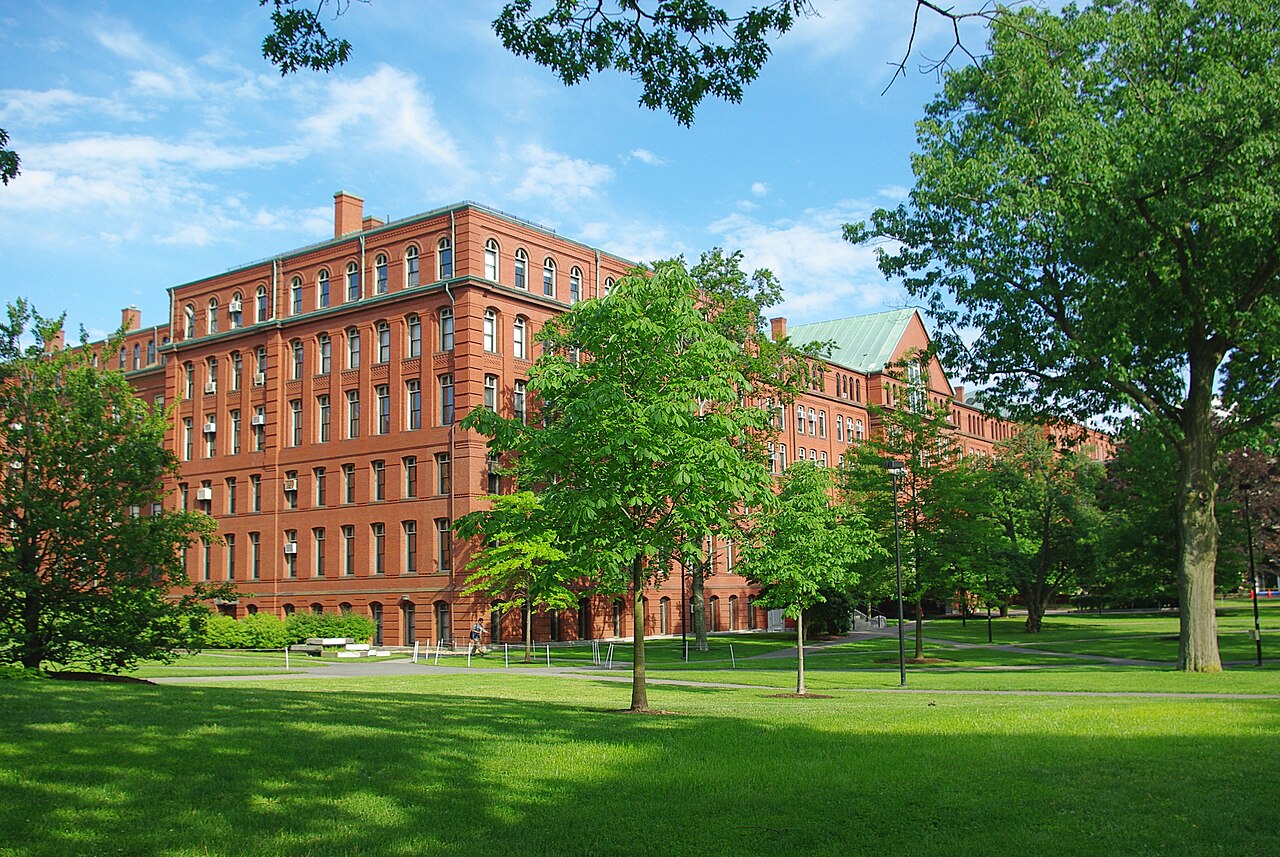
The Longest Day, Free Admission: Harvard’s Museums Open Their Doors
June 21 lands as the longest day of the year, and Harvard turns it into an open house. The museums waive the ticket. Doors open at the regular hour. Nothing about the schedule changes except the price, which drops to zero. The Harvard Museum of Natural History shares one building with the Peabody Museum of Archaeology and Ethnology on Oxford Street in Cambridge. Buy one ticket and walk through both.
A father and his son spent fifty years blowing glass in a German workshop, shaping over 4,000 flowers so precise that botany students still study the veins on the petals. Their work fills one gallery here. Walk a few rooms over, and a 42-foot whale skeleton hangs above the floor of the Great Mammal Hall—visitors crane their necks before they even reach the placard. The mineral wing holds specimens that pull geologists in from other countries, pieces collected back when Harvard first started building its scientific catalog.
The Peabody side covers different ground entirely—Native American artifacts, Maya archaeology, and anthropological objects gathered across two centuries of fieldwork. Visitors who plan to see both halves of the building usually need two or three hours to do it justice without rushing.
Cambridge gets busy on free-admission days. Street parking near Harvard Yard disappears fast, and the museum sits a short walk from Harvard Square—close enough to make driving in and parking there more trouble than it’s worth for a single afternoon visit.
Families coming from a downtown hotel, or visitors splitting the day between Harvard Square and other Cambridge stops, often book a sightseeing ride with Boston Town Car instead. The driver handles the route, and the parking search disappears entirely—one less thing to plan on the one day of the year with the most daylight to spend.