

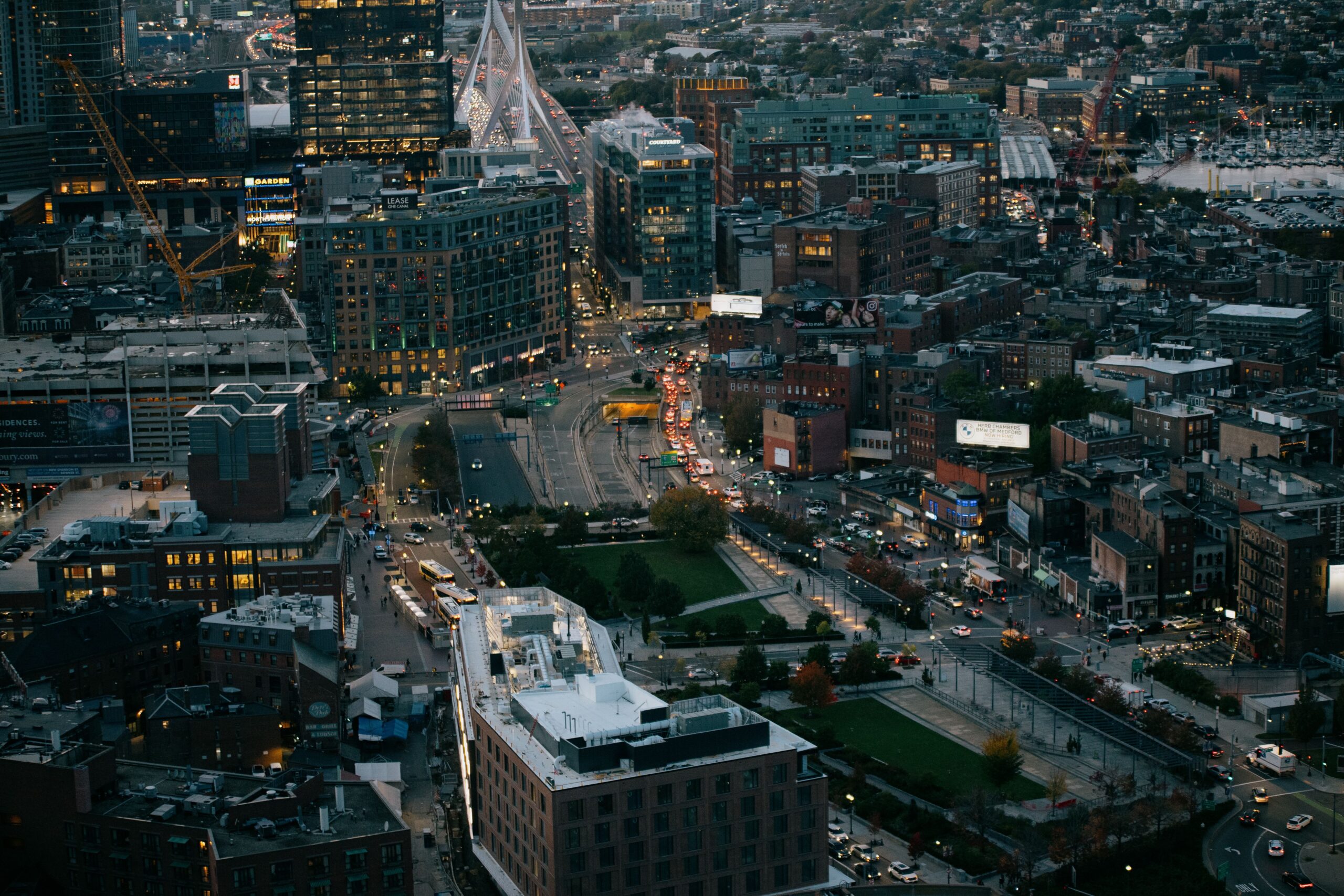
Labor Day Weekend in Boston: The City Moves in Every Direction
Revere Beach fills with the last serious beach crowd of the season. Castle Island draws families from across the city. The Museum of Fine Arts and the Isabella Stewart Gardner Museum both see weekend spikes. The city center doesn’t feel static—it pulls movement through its streets, linking neighborhoods, the waterfront, and scattered events across three days.
In moments like this, timing matters as much as distance. A trip from Logan Airport, a ride toward a downtown hotel, or a transfer near the Charles River doesn’t sit on its own—it becomes part of a wider flow. Airport arrivals and meet and greet service handle the beginning of a visit. Sightseeing transportation connects the afternoon stops. Event transportation closes the evening loop when the city is still active but the T is already packed.
Different types of travel appear naturally within the same urban space. Corporate guests arriving for Tuesday meetings book over the long weekend. Families use the executive SUV for the run from Logan to a Beacon Hill rental.
Boston’s layout supports this layered movement. Bridges, main routes through the city, and paths along the waterfront give multiple ways to move from one area to another. On a holiday weekend it shows more clearly—traffic doesn’t stay on one route. It moves across bridges, streets, and waterfront roads depending on where pressure builds.
For visitors and residents alike, moving through Boston over Labor Day often becomes part of the memory itself. The city is not just a destination—it’s a sequence of transitions between places, each carrying its own rhythm. The Boston Town Car covers all of them.
Photo: Arjun Gheewala / Pexels