

One Set, Then Home: A Short Winter Night with Music
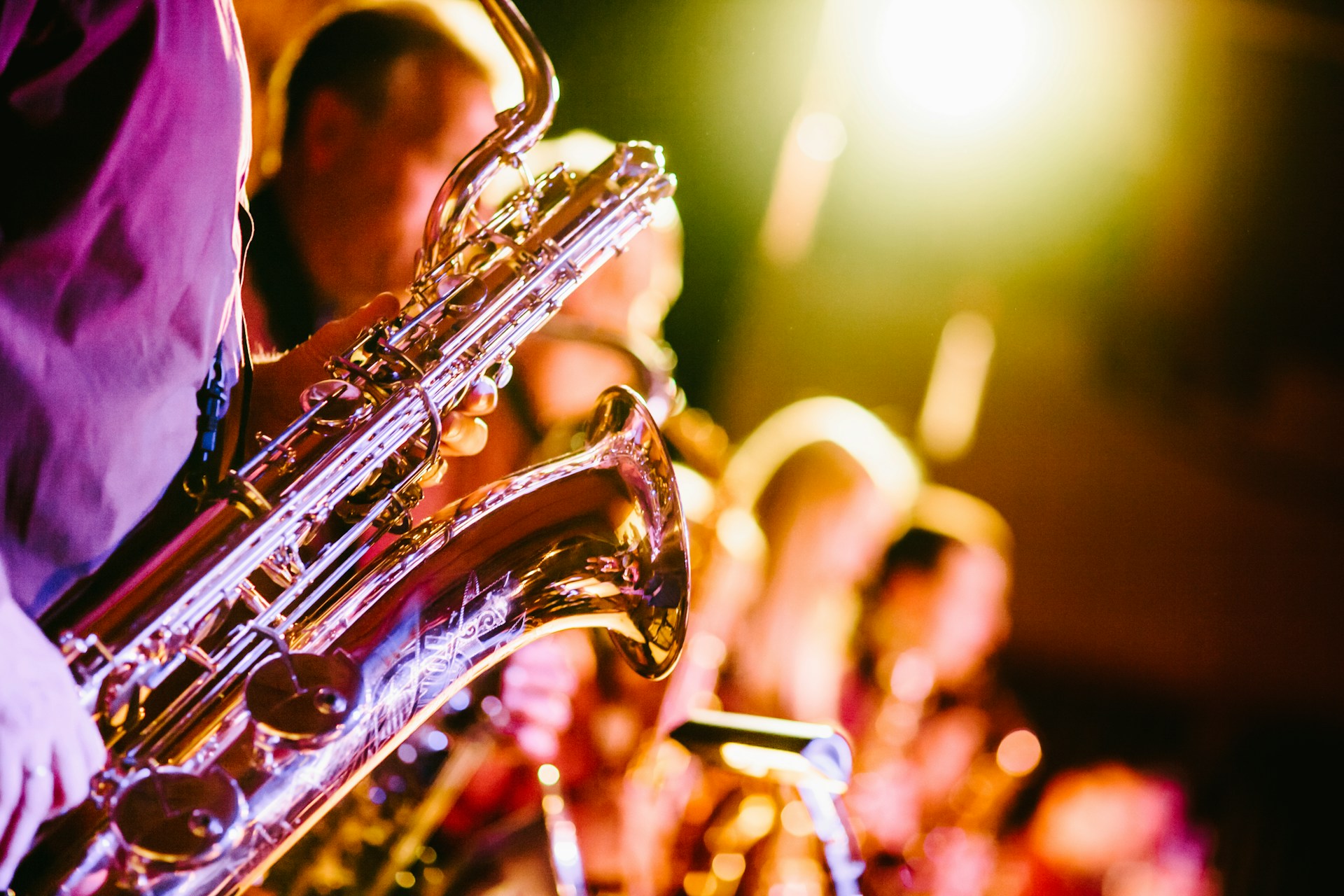
No season clears the streets like late January. Evenings come early, and most people stay home once the sky turns. But a few places keep working after dark. Small halls near Berklee, narrow jazz clubs in the South End—they don’t need a crowd to start. A trio begins, someone takes the solo, and that’s enough.
Doors open quietly. A short line, a few tables taken, and some regulars already in their seats. The music starts on time. No speeches, no lights. Just sound moving through a room built for it. Some stay for one set; others wait for the changeover and the shift in tone.
In winter, the air stays close. Coats hang on chairs, steam comes off drinks, and people speak lower than usual. Not out of mood, just the way it works indoors when wind moves past the windows. Phones stay in pockets. Nobody’s here to film.
When the last note lands, people leave without talking much. It’s not late, but cold sets the pace. That’s when walking back feels longer than it should. The sidewalk is clear, but the idea of waiting or circling for a ride doesn’t fit the night.
Some step out early; others linger. Nobody claps, nobody calls for more. It isn’t that kind of place. The end of the set lands gently, and most understand that it’s time to go. Conversations stay low. There’s a short walk, maybe a glance back, and that’s it.
Some call a car in advance. Others wait until they’ve stepped outside. Either way, Boston Town Car pulls in close. No waiting, no noise—just the ride home, while the room behind resets for tomorrow.